
How Impulsivity Increases Scam Susceptibility in Singapore
When it comes to scams, many assume that falling victim is simply due to a lack of awareness.
However, findings from a study of 1,052 Happydotters show that scam vulnerability is not limited to awareness alone but is also shaped by how people make decisions and respond under pressure — particularly, how quickly they act.
The Link Between Behaviour and Scam Risk
To better understand what drives scam vulnerability, we conducted a behavioural study with Happydotters.
Respondents rated 47 statements about their everyday behaviours, such as how they make decisions, their risk-taking tendencies, how much they rely on others, and how they process information.
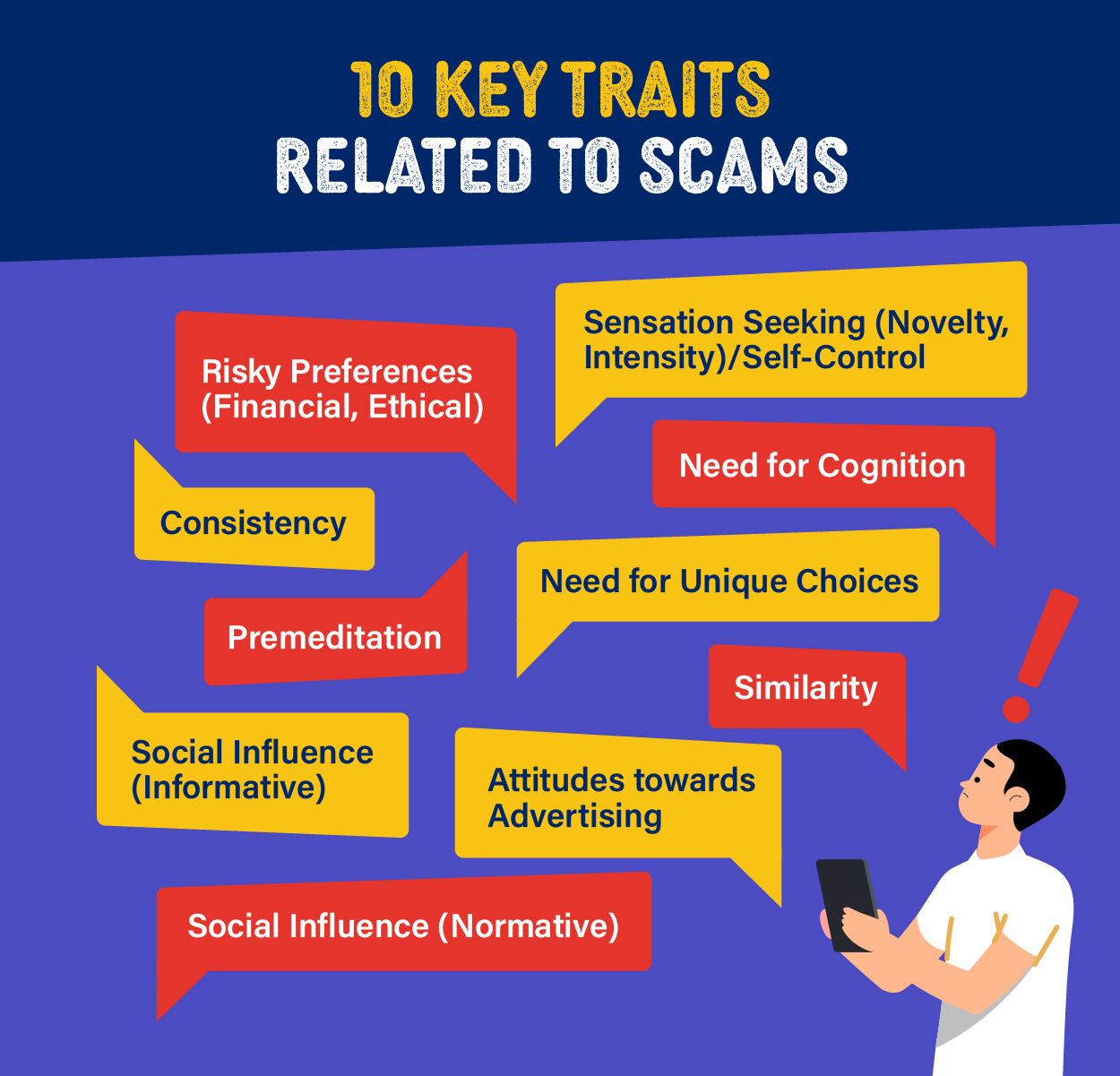
Using statistical analyses, these behaviours were grouped into 10 key traits reflecting how people in Singapore think and act.
We then examined how these traits relate to:
– Ability to distinguish between legitimate and scam messages (message discernment score)
– Number of times scammed
– Amount of money lost to scams
The results indicate a clear pattern: individuals who show more risk-taking behaviours and sensation-seeking tendencies are associated with being scammed a higher number of times.
Higher Risk-Taking, Higher Chance of Repeat Scams
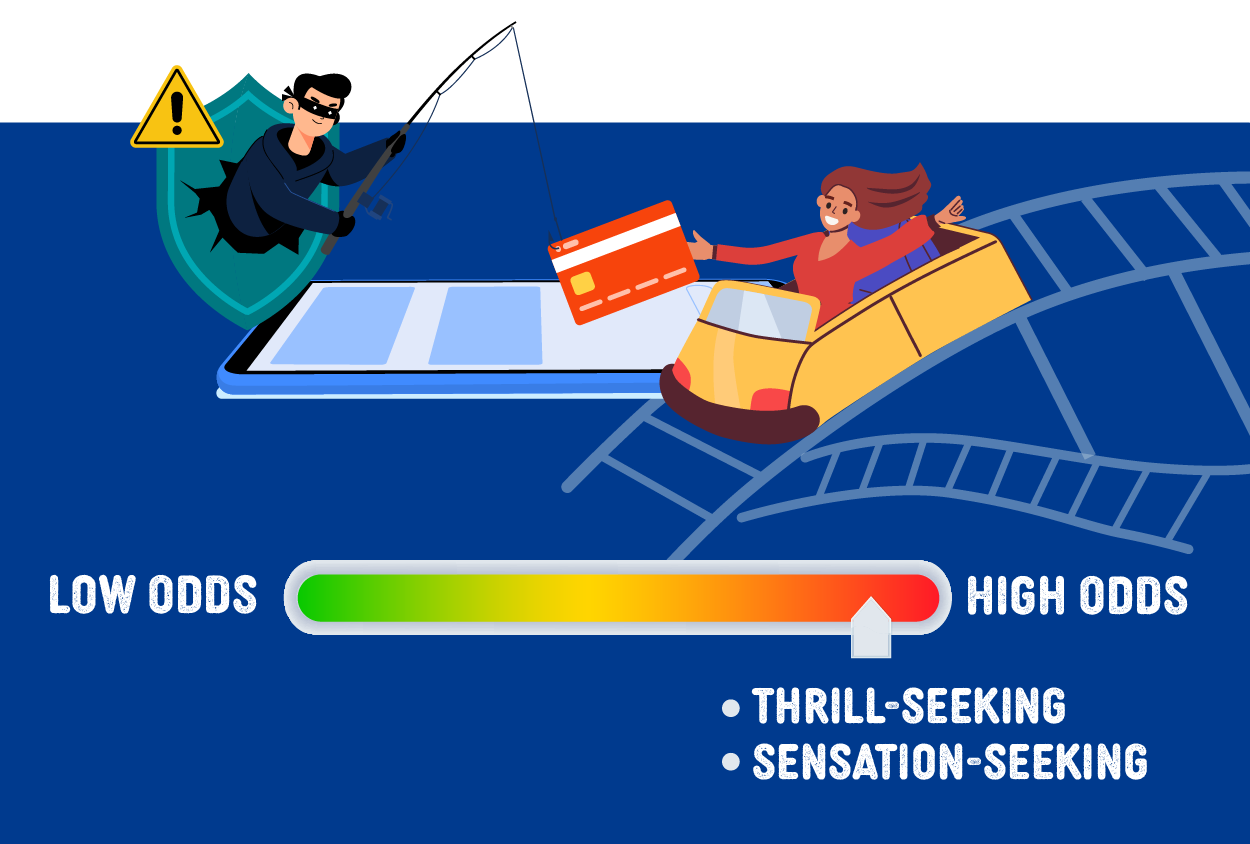
One of the strongest findings is the link between behaviour and repeated scam incidents. Results from our analysis indicated that risk-taking and thrill‑seeking was associated with higher odds of experiencing more frequent scam incidents, while financial and ethical risk‑taking were associated with higher odds of repeated scams.
These individuals are generally more open to uncertainty and more willing to act on opportunities. In scam scenarios, such as those involving limited time offers or high returns, this increases the likelihood of engagement.
Acting Fast Makes It Harder to Spot Scamster: A Look at What Worries Singaporeans
Happydotters were shown a mix of messages; some were real (e.g. actual promotions, real government messages), while others were common scam formats (e.g. fake bank alerts or job offers). Rating on how believable each message was, we calculated a score computed from 10 questions of a mix of scam messages and legitimate messages.
Score is calculated from “Believability of real messages” minus “Believability of scam messages”. The higher the score, the better the ability to tell scams and legit messages apart.
People with higher risk‑taking tendencies have more difficulty distinguishing between legitimate and scam messages, with risk‑taking showing a relatively strong negative association with message discernment. Conversely, individuals who prefer consistency and think things through show a relatively strong positive association with better message discernment.
It is apparent that scams often succeed not because they are perfectly convincing, but because they create a sense of urgency that reduces careful thinking. People who act quickly or rely on instinct are less likely to pause and question what they are seeing.
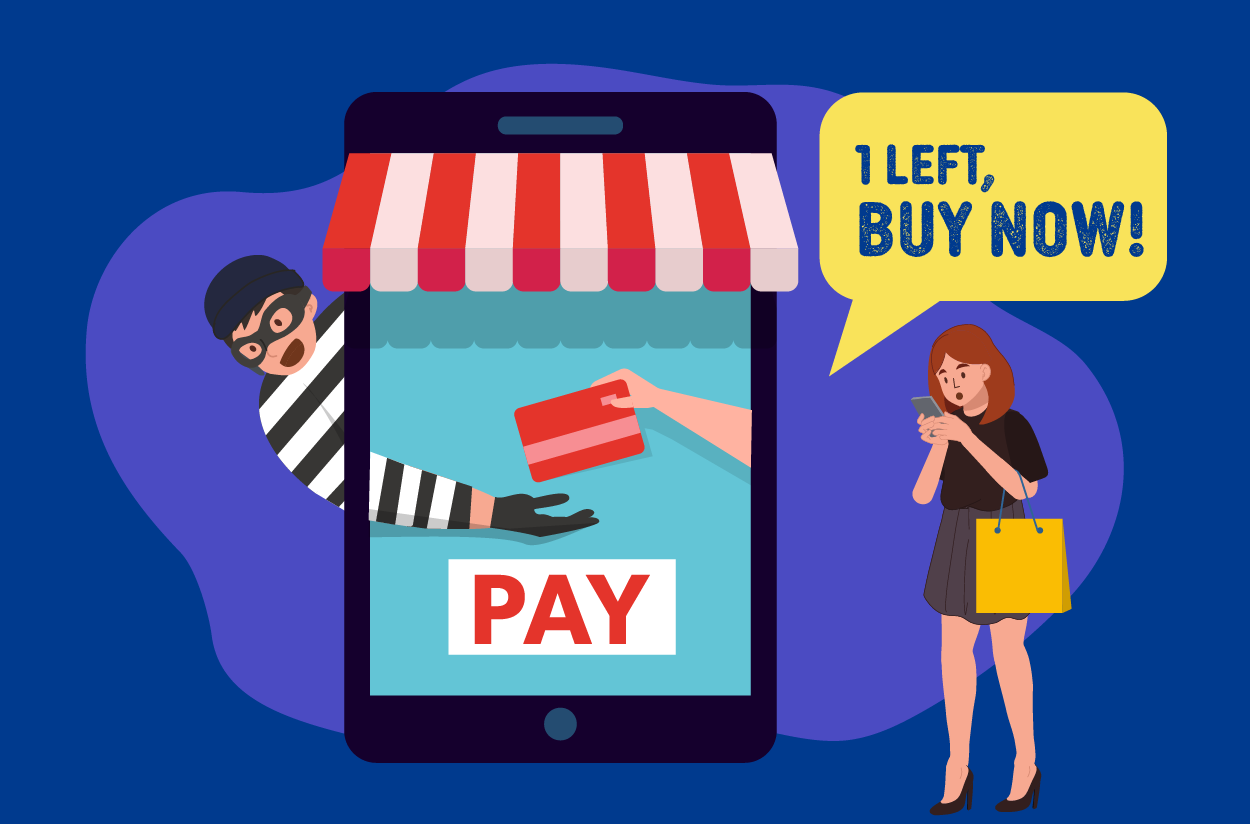
That is exactly what many scams are designed to do – create urgency so you act before you think.
What This Means for Everyday Behaviour
Instinct-driven responses make it difficult to distinguish between legitimate and fraudulent messages. Additionally, people who seek unique experiences or act without much planning may be at greater risk of substantial losses, particularly when offers seem exclusive, urgent, or personalised. However, small habits such as pausing before clicking, checking sender information, and verifying with a trusted contact can significantly reduce risk.
Older adults, despite being more cautious, often face challenges in spotting scams because many fraudulent messages mimic official communications.
Altogether, these insights demonstrate that different personal tendencies contribute to varying scam risks. Everyday Singaporeans can better protect themselves by incorporating simple “speed bumps” into their online habits, like slowing down, verifying information independently, and exercising care with urgent or unusually attractive offers.
While awareness and education are essential for scam prevention, behavioural tendencies play an equally critical role. Ultimately, safeguarding against scams requires not just recognising warning signs but making deliberate, thoughtful decisions especially when faced with tempting opportunities or high-stakes situations.
Share your views on ongoing social issues in Singapore through our surveys and check out fresh insights of What Singapore Thinks every month!
Mingle with other HappyDotters! LIKE our Facebook and FOLLOW our Instagram to know more about us.